

ACM Panels: Cheap vs. Expensive
Nowadays, aluminum composite material (ACM) has become one of the most widely used cladding materials for high-rise buildings and residential projects. However, aluminum composite panels were not always the preferred choice for architectural applications. Before ACM panels entered the construction market, traditional aluminum plates, also known as aluminum siding systems, were commonly selected by building contractors, architects, and homeowners.
When aluminum composite panels were first introduced, manufacturers quickly promoted these lightweight composite materials to gain a larger share of the construction market. Compared with conventional aluminum siding systems, ACM panels offered significant advantages, including lower weight, more competitive costs, improved durability, and greater design flexibility. Their availability in a wide range of colors, surface finishes, and textures — including realistic wood grain patterns — further expanded their popularity in architectural projects.
Today, aluminum composite materials continue to provide excellent performance and have evolved with additional features and improvements that enhance their functionality and aesthetic appeal. Modern ACP panels can be easily fabricated, bent, and rolled, making them an ideal choice for architectural designs that require complex shapes, unique structures, and creative exterior solutions.
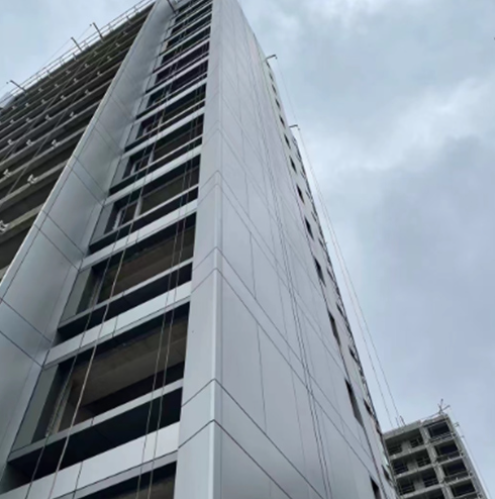
Essential Things to Know Before Buying and Using ACM Panels
Before purchasing and installing aluminum composite material (ACM) panels for a building project, it is important to understand several key factors that can affect performance, safety, and long-term value. One of the most important considerations is that there are two primary types of aluminum composite panels available for different applications:
♦ Fire-Resistant (FR) Core or Fire-Rated ACM Panels
♦ Polyethylene (PE) Core or Non-Fire-Rated Aluminum Composite Material
The main difference between FR and PE ACM panels lies in their core materials. Non-fire-rated aluminum composite panels use a thermoplastic polyethylene core, while fire-rated ACP panels contain a mineral-filled thermoplastic core designed to provide improved fire performance.
Another important factor to consider is that aluminum composite material can be a combustible building product, depending on its core composition. Therefore, it is essential to identify the applicable building codes and regulations for your project and select ACM panels that have been properly tested and certified to meet the required standards. Doing so helps improve the service life of the cladding system while ensuring better protection for the building structure and occupants.
Although ACM panels offer excellent performance and versatility for modern architectural applications, cost can sometimes become a concern. Some buyers choose cheaper, uncertified aluminum composite panels to reduce initial expenses. However, this decision may result in higher costs over the building’s lifetime due to potential safety issues, replacement requirements, and reduced durability.
It is important to understand that not all affordable ACM panels are low quality. Many certified manufacturers provide cost-effective, reliable, and compliant products. The reasons why some ACM panels are more affordable than other aluminum cladding materials will be discussed in the following section.
The Difference Between Expensive and Cheap Aluminum Composite Materials (ACM)
As mentioned earlier, the price of aluminum composite materials (ACM) can vary significantly depending on the quality of materials, manufacturing processes, and performance characteristics. Higher-priced ACM panels are typically produced using premium-grade raw materials and require more advanced manufacturing techniques and skilled labor. In contrast, lower-cost ACM panels may offer reduced resistance to harsh weather conditions and are more vulnerable to issues such as corrosion when exposed to moisture and humidity.
One of the key factors influencing ACM pricing is the type of surface coating used. High-quality ACM panels often feature PVDF (polyvinylidene fluoride) coatings, which provide excellent weather resistance, color retention, and durability, but also increase production costs compared with uncertified or lower-grade panels. Another important factor is fire performance. Fire-rated ACP materials, which provide enhanced safety and comply with stricter building requirements, generally come at a higher price due to their specialized core materials and testing standards.
Choosing higher-quality aluminum composite panels provides several long-term advantages, including:
♦ Longer service life: Premium ACM panels are more durable and can maintain their appearance and performance for a longer period compared with cheaper alternatives.
♦ Easier fabrication: High-quality aluminum composite panels are easier to cut, bend, and shape, making installation more efficient and suitable for complex architectural designs.
♦ Improved energy efficiency: Quality ACP materials can contribute to better facade insulation, helping improve building energy performance.
♦ Better sound insulation: High-performance aluminum cladding systems can provide improved acoustic insulation for buildings.
♦ Enhanced waterproof performance: Premium ACM panels offer stronger resistance against moisture penetration and weather exposure.
♦ Lower maintenance requirements: High-quality ACM panels require less frequent cleaning and maintenance, reducing long-term operating costs.
♦ Higher property value: Investing in reliable aluminum composite materials can enhance the appearance and value of a building.
♦ Lightweight and easy installation: Superior ACM panels maintain a lightweight structure while offering better strength, making transportation and installation more convenient.
Although cheaper ACM panels may reduce initial project costs, selecting high-quality aluminum composite materials often delivers greater value through improved durability, safety, performance, and lifecycle savings.
- Previous: How Custom Expandable Homes Are Transported and Installed
- Next: None